TEAM SOLUTIONS
 WORKFLOW SOLUTIONS



 REVIEW TOOL
 PROJECT MANAGEMENT
 TOOLS & INTEGRATIONS
 CLIENT INTERVIEWS




Post is also avalible in:


So, you’ve passed all nine cycles of design review hell, and finally, it got approved. The battle is won, but is the war? No, not yet.
Have you ever wondered what follows after the graphic designer’s part is done? Although it is an important milestone, product packaging design approval does not mean the project is execution-ready. It just means concept-ready. And once it’s granted, a packaging development process begins. It includes pre-print finalization, packaging prototyping, and post-production. And those are essentially the subject of this article. Let’s discuss them in more detail.
Pre-Print Finalization
The design choice for our future product is settled. Now is the time for digital prepress workflow: technical enhancements to the packaging design process, where precision meets artistry. Colors, margins, format, etc. – all must be intact before we simulate the prototype.
File preparation and Color separations
Typical printers require a standard PDF file format that doesn’t kill resolution with compression. Apart from that, they often require color separation as well. Because if your designer used the RGB system for the packaging, the print will turn out off-color. What color separation does is translate those colors to CMYK, Pantone, or spot colors that printing presses can actually reproduce.
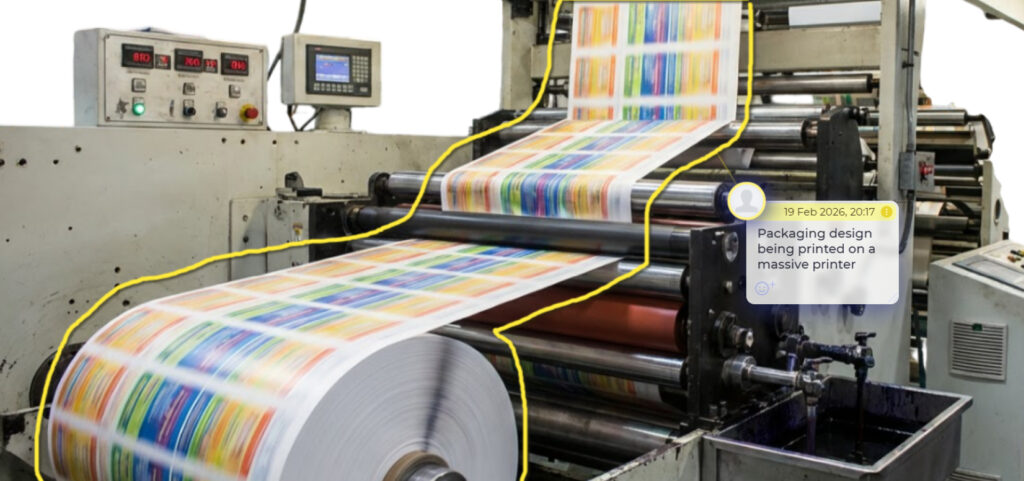
What seems like a simple two-color design might require four separations and overprint consideration. And ignoring how the ink meets the substrate can lead to packaging production bottlenecks, such as re-print or re-design. Just so you know, proper ink management can reduce the amount of ink needed for color preparation by 52%.
Colors on your packaging look great

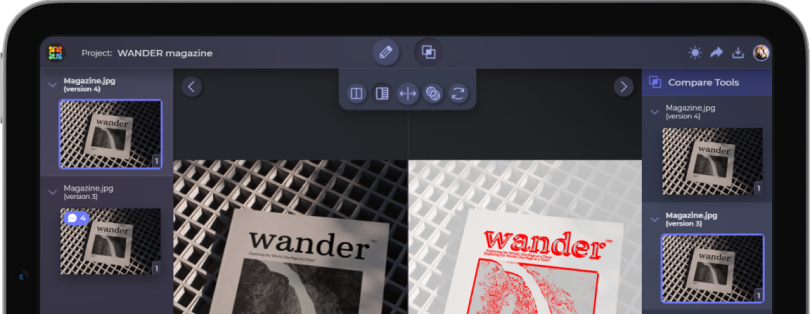
The reason for it is that your color separation was executed perfectly!
Start a Free TrialScore twice, cut once
Once the colors are secured, you ought to check the grid. A structural die line works like a template that determines how your package will be cut, folded, and assembled. And for it to work out fine, it’s crucial to align it perfectly with your graphics.
The reason it’s so important is that even a millimeter of misalignment can put critical text in a fold line or cause graphics to wrap incorrectly around edges. This can lead to either factual confusion or a funnily warped image. Unless it’s your intention, better prevent it.
Regulatory compliance and accuracy
Apart from an eye-catching design, your package is also a legal document. For instance, the ingredient lists must follow the FDA requirements. Specific formatting also concerns net weight statements, nutritional panels, and allergen warnings. This is also when factual information gets its final verification.
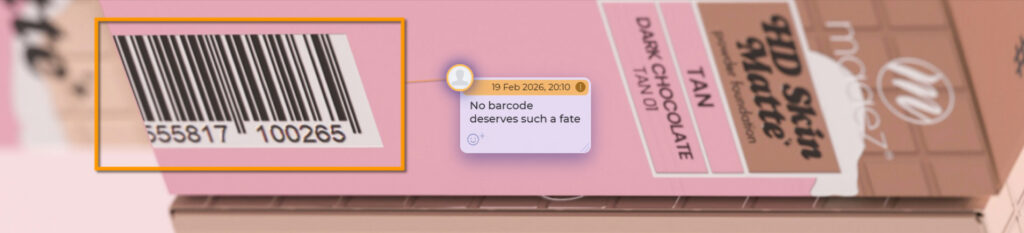
Furthermore, your best interest includes checking if the packaging’s barcode scans properly and links to the correct product in retailer databases. You can do the latter during the design approval process in case you’re proofing via Approval Studio.
Prototyping
Now is the time to bridge the gap between digital files and mass manufacturing. At this stage, the packaging file is ready to be printed and assembled, but still requires crush tests and possible adjustments. And here’s why.
Packaging material selection
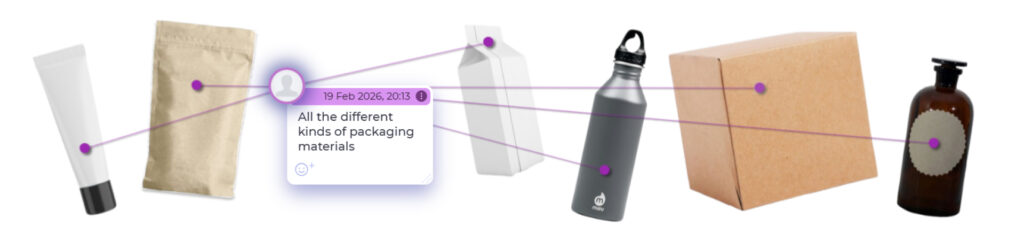
The material you choose transforms how consumers experience your product package design. On one hand, it’s really a question of aesthetics and your brand image. In packaging research, 67% of consumers confirmed that the packaging materials themselves played a role in purchasing decisions. On the other hand, your packaging material must be suitable for the product being packaged.
For example, food items need food-grade materials and potential grease resistance. If the product is liquid, it requires moisture barriers. Heavy products demand structural strength. And refrigerated goods need materials that perform in cold, humid environments. All this must be considered before you get to the printing, as well as various coatings or finishes. We have a guide on how to choose the best product packaging here.
Deciding where to print
Coatings and finishes add another layer of complexity to designing packaging. Some coatings provide scuff resistance, others high gloss or soft-touch laminates. Or, spot varnishes can be used to highlight specific design elements. The thing is, each finish interacts differently with printing inks and affects the final appearance of your consumer packaging design.
Different printers specialize in different substrates, printing methods, and package types. Depending on your expectations, it can be a flexographic for flexible films and scale, a lithographic superior quality, or a digital printer for economical short runs. And once you’ve selected one, they’ll proceed with ink drawdowns to check whether the printer can deliver the colors specified in your approved design. Given that you did the color separation well, it won’t be a troublesome process. And when the printing is settled, you finally get to test a physical mock-up.
Physical mock-up testing
A structural prototype is worth a thousand digital renderings. This way, you test if your package design process accounted for real-world functionality. All these questions get answers during the testing process:
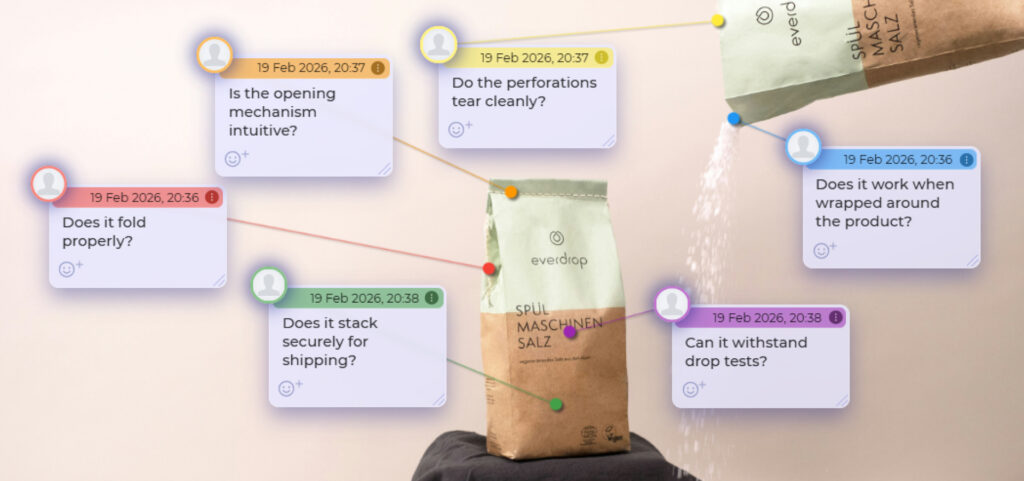
This phase often reveals what makes good retail packaging design versus what makes beautiful but impractical packaging design. Mock-ups also serve as final approval before committing to expensive packaging manufacturing tooling. This is your last chance to confirm it meets both brand standards and practical requirements, and catch problems before spending tens of thousands on manufacturing.
Post-Production
Finally, the packaging manufacturing process has delivered your finished packaging. But the journey is far from over.
Logistics and filling
The reality is that most packaging doesn’t ship pre-assembled. The reason is that flat cartons, tubes, and boxes simply save transportation costs. And when they reach the filling facilities, specialized equipment folds, glues, fills, and seals them. The packaging process now includes mechanical considerations. Basically, some packagings can’t run smoothly on automated filling lines or simply jam. In that case, they add manual intervention to the process
This is where designing packages for manufacturability pays dividends. A package that requires hand assembly or can’t run on standard equipment costs significantly more to fill and pack. This is an aspect you’ve got to anticipate to avoid stretching your budget.
Distribution and retail environment
The first batch is loaded for transportation, so you have to make sure everything is stacked correctly and won’t crush in the process. The more fragile your packaging, the higher the freight costs are. Around 11% of all goods arrive at distribution centers in some form of damaged condition. A damaged packaging means a lost customer impression: a dented box or a cracked seal is often enough to make a shopper put the item back on the shelf. Moreover, not every shop wants to taint their shelves with such products.
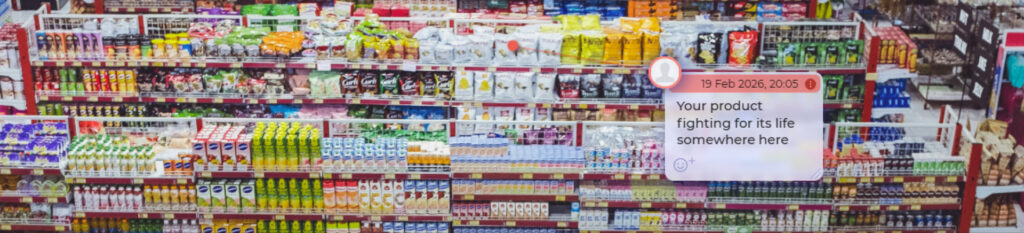
If it reaches the stores in one piece, the contest show begins. Because now the packaging must compete with various other products displayed on the retail shelf. And research consistently shows that purchase decisions at the shelf happen in a matter of seconds.
Although fighting for shoppers’ attention is not your only concern. Your packaging must withstand weeks under fluorescent lighting, survive being restocked by store employees who aren’t exactly gentle, and being handled repeatedly by customers.
Performance evaluation
Once your packaging is out in the world, the work shifts to performance metrics measurement. Performance covers everything from damage rates during shipping and filling line efficiency, all the way to how well the packaging actually sells. Here are the two most important.
Shelf performance is usually one of the first things to look at. If a product with a solid track record suddenly underperforms after a redesign or new launch, packaging is often where the problem lies. Maybe it doesn’t stand out enough on the shelf, or the information is hard to read at a glance, or it simply looks different under store lighting than it did on screen.
Consumer feedback, meanwhile, brings up things that went unnoticed during development through reviews, surveys, and social media comments. This kind of feedback is gold, and collecting it systematically is what separates brands that improve over time from those that repeat the same mistakes.
Final Words
Design approval may feel like the finish line, but as this article shows, it’s really just the beginning of a whole new stage. Pre-print finalization, prototyping, manufacturing, logistics, and performance evaluation each follow after and bring their own challenges.
The thing is, every decision made early in the process has a ripple effect down the line. A color that wasn’t properly separated causes delays at the printer. Or, similarly, a die line that’s slightly off leads to a misaligned graphic. It all connects, which is why understanding the full journey matters so much in effective packaging design. For your brand to succeed, you have to treat packaging as an end-to-end engineering and marketing challenge, rather than just a matter of aesthetics.